
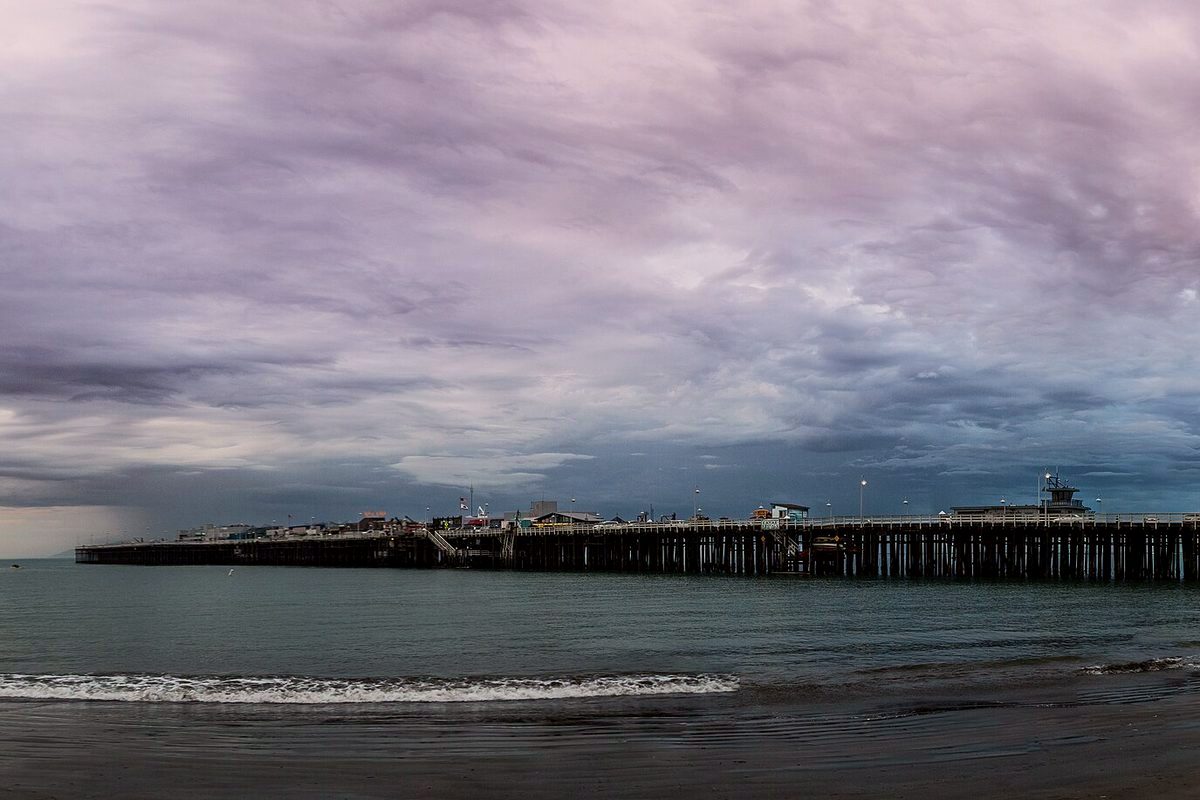
With forecasters warning of a powerful El Niño winter, the state is turning its attention to Highway 1. That's the route coastal towns from Marin to Santa Cruz rely on to get to work and school, and to evacuate. On Tuesday, Oct. 27, Gov. Gavin Newsom signed an executive order aimed at protecting the highway and the communities along it.
What the order does
- Creates a Highway 1 Task Force led by the California State Transportation Agency and the California Natural Resources Agency. The task force will identify vulnerable stretches, recommend priority actions and funding needs, and find ways to get preventive work done faster.
- Directs Caltrans to prioritize landslide prevention where practicable.
- Asks State Parks to assess how closures and repairs could affect parks and public access.
Newsom also signed a second order building on the El Niño state of emergency he declared in September. The governor's office says it gives agencies more tools to reduce flood risk and protect infrastructure.
The cost of closures
The governor's office says emergency projects on the Big Sur stretch of Highway 1 cost about $312 million from 2020 through 2026. "We know what repeated closures cost these communities, and we're putting state agencies to work now to reduce the danger before storms hit," Newsom said. CBS reports that he signed the order at Crystal Cove State Park in Newport Beach, where emergency repairs recently closed part of the highway after a large crack formed in a cliff below it.
How Caltrans is preparing
The state says crews are clearing drains and culverts, staging sandbags near vulnerable spots, and readying equipment at more than 120 maintenance yards, with about 1,300 pieces of winter equipment available. Natural Resources Secretary Wade Crowfoot said a marine heat wave has already raised sea levels off the coast by a foot. CBS notes that NOAA doesn't expect El Niño to peak until late November.
Before you drive the coast
The CHP advises checking Caltrans QuickMap for closures before you leave, slowing down on wet roads, and never driving through floodwater.