
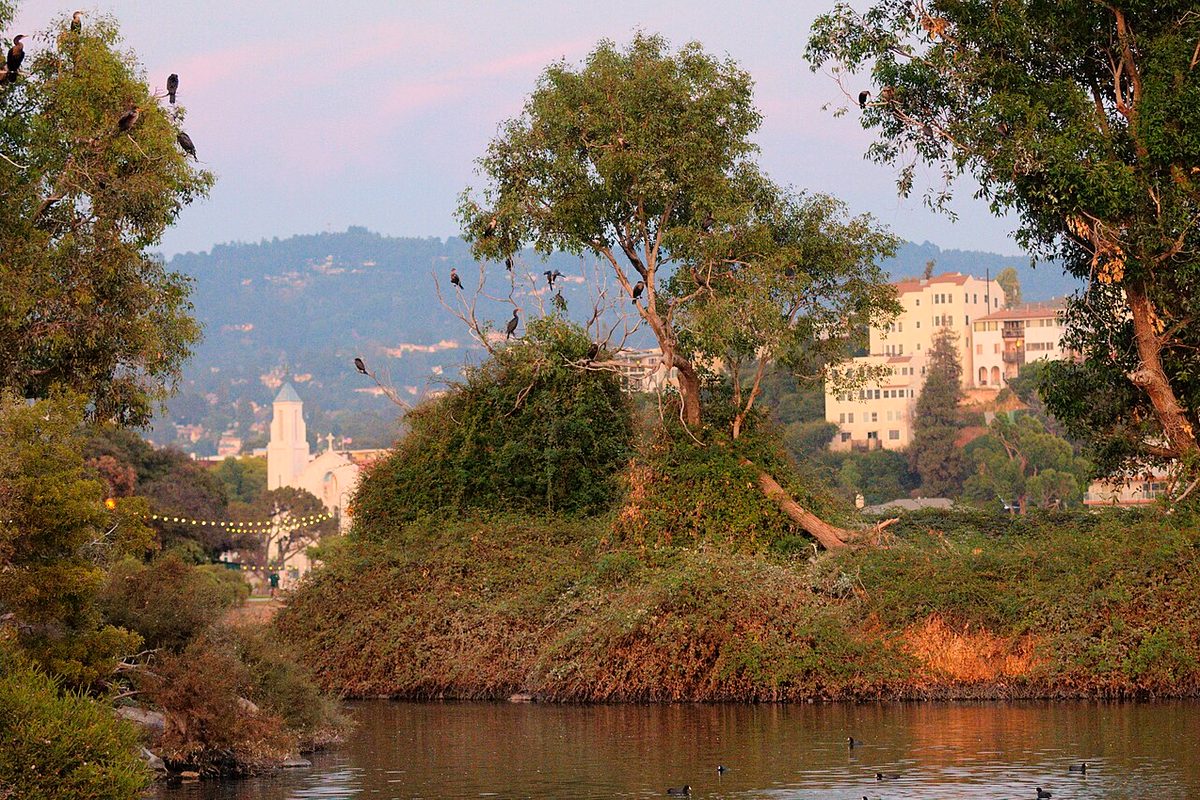
Just off Highway 24, a mile from the Lafayette BART station, the Lafayette Reservoir is where much of Lamorinda goes to walk, run, fish and row. It's a year-round, day-use park run by the East Bay Municipal Utility District.
The two loops
There are two loop trails, according to EBMUD. The Lakeside Nature Trail is paved and 2.7 miles, and the Rim Trail is an unpaved 4.7 miles over the surrounding hills. With connector trails, there are more than 10 miles of hiking. Bikes, roller skates and scooters are allowed on the paved loop only on Tuesday and Thursday afternoons and on Sunday mornings until noon. Dogs are welcome on leashes no longer than 6 feet.
On the water
Rowboats and pedal boats rent first-come, first-served until 4 p.m. for renters 18 and older, and every boat must be docked by 5 p.m. Hand-launched private boats must be inspected for invasive mussels at the visitor center before launching, and stand-up paddleboards are not allowed. EBMUD plants trout from November through March, and the reservoir also holds catfish, bass and sunfish. Anglers need a state fishing license and an EBMUD fishing access permit.
A harmful algae notice is posted. Picnicking, hiking and biking are safe, but body contact with the water is never allowed, and pets should be kept out of it. EBMUD advises discarding the guts and liver of any fish you keep and rinsing fillets in tap water. The reservoir isn't used for drinking water now; it's protected as an emergency supply.
The dam that moved
Construction began in 1928. According to Wikipedia, the earthen dam was filled so quickly that its clay foundation began sliding downhill in September of that year. Engineers cut the planned capacity to about a third and waited three years to see whether the ground would settle further before finishing the dam in 1933. The outlet tower at the southwest corner was never shortened to match, which is why it looks far too tall for the lake. The reservoir opened for recreation in 1966.
Much of the shoreline's Monterey pine forest dates to New Deal soil-conservation plantings that began in 1935. Those trees are now near the end of their life, and some are being thinned.