
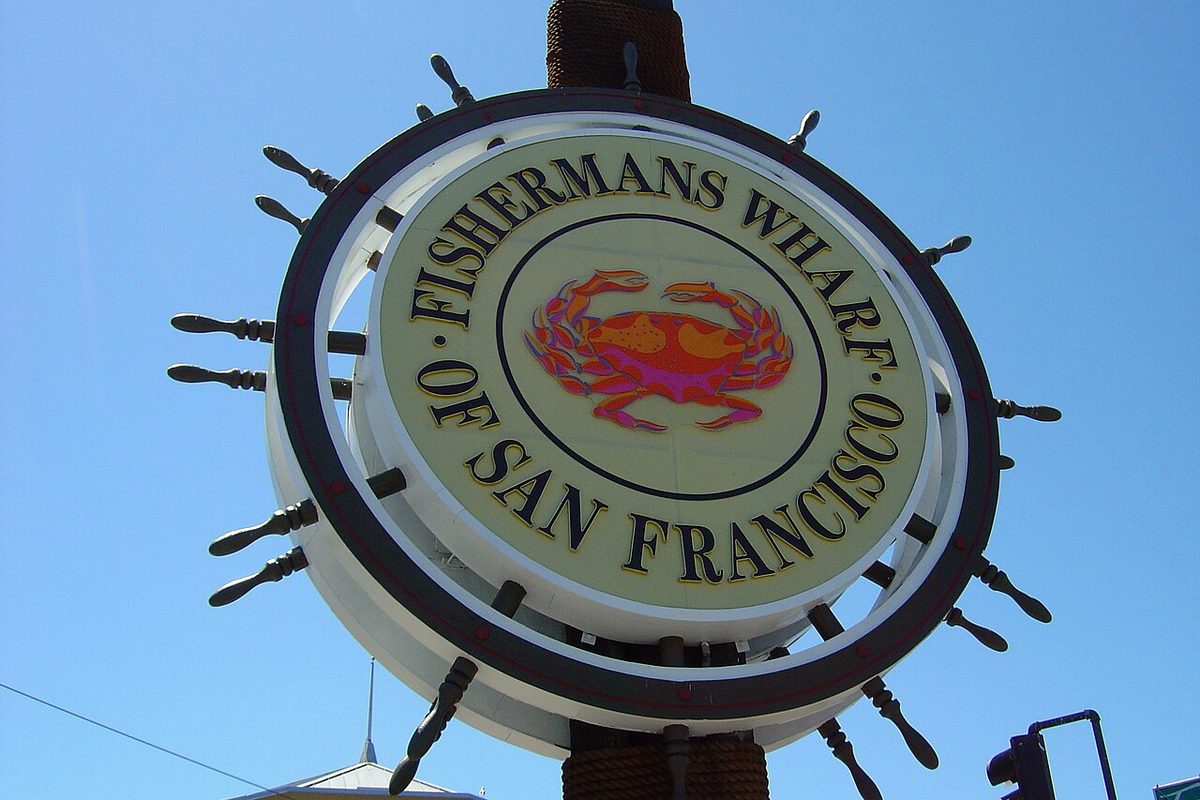
Among the T-shirt shops and seafood stands of Fisherman's Wharf, a gray World War II submarine sits at Pier 45. The USS Pampanito is a National Historic Landmark and one of the Bay Area's most hands-on history lessons.
Six war patrols
Pampanito is a Balao-class submarine. Its keel was laid at the Portsmouth Navy Yard in Kittery, Maine, in March 1943, and it was commissioned in November 1943. It reached Pearl Harbor in February 1944 and completed six war patrols in 1944 and 1945, earning six battle stars.
The rescue
Its most dramatic chapter came during its third patrol, in the South China Sea. On Sept. 12, 1944, operating in a wolfpack with the submarines Growler and Sealion, Pampanito sank the Rakuyo Maru. The ship was carrying 1,350 British and Australian prisoners of war, and 1,159 of them died.
Three days later, Pampanito returned to the area and found men clinging to makeshift rafts, shouting in English. The crew pulled 73 survivors aboard and called in three other submarines to help with the rescue before taking the men to Saipan.
From reserve ship to museum
After the war, Pampanito was decommissioned at Mare Island in December 1945. It later served as a Naval Reserve training ship in Vallejo until 1971. The submarine became a memorial and museum in San Francisco in 1975, opened to the public in 1982, and was declared a National Historic Landmark in 1986.
Visiting
The San Francisco Maritime National Park Association, the nonprofit partner to San Francisco Maritime National Historical Park, independently runs the museum. It says Pampanito is open daily from 10 a.m. to 6 p.m., with last boarding at 5:30 p.m.
One thing to know: the association notes that the nearby Hyde Street Pier and its historic ships have been closed to the public indefinitely since Nov. 4, 2024, while the park prepares to move its largest vessels temporarily to Mare Island. Pampanito, at Pier 45, remains open.