
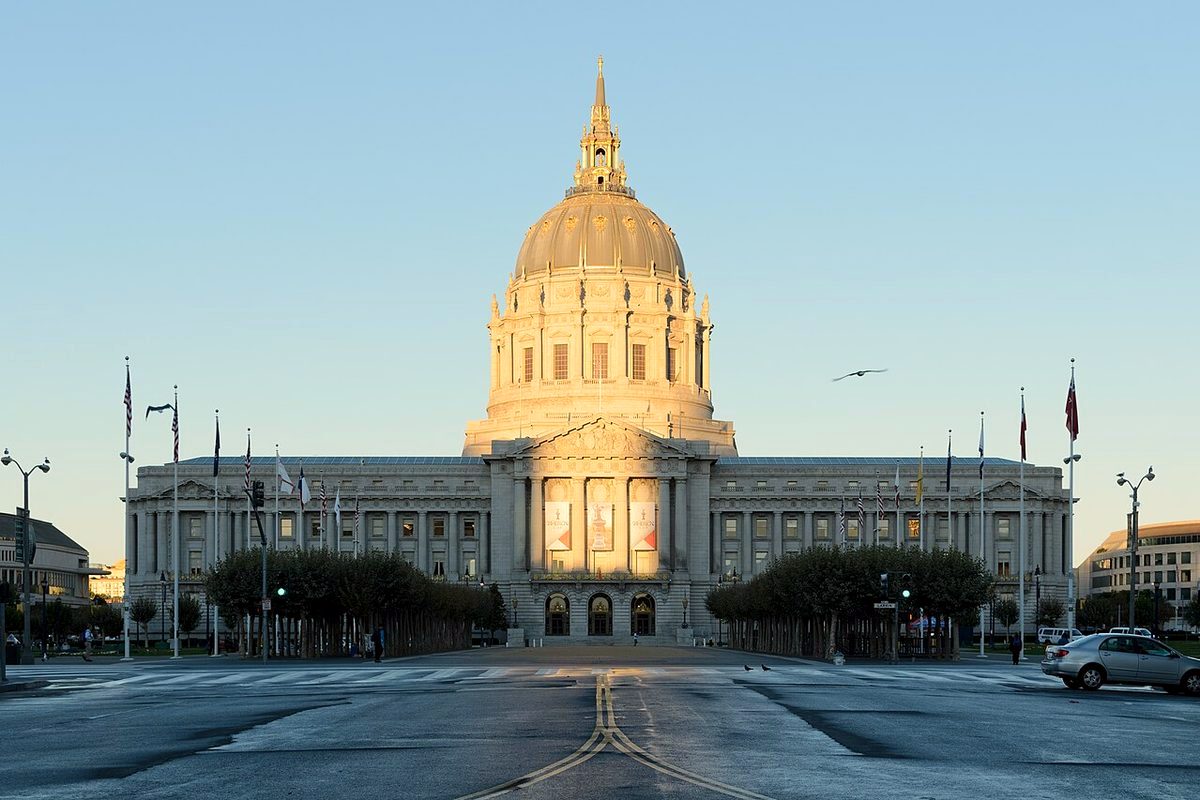
A federal judge has put limits on Department of Homeland Security field operations that sent armed agents to people’s homes to look for noncitizens who may have voted. The lawsuit was brought by San Francisco and Santa Clara counties, the city of San Francisco, nursing unions and the Voto Latino Foundation.
What the order says
In a 19-page order late on Wednesday, Oct. 21, U.S. District Judge Araceli Martínez-Olguín wrote that the government was relying on “flawed” data and that its efforts likely violated the Voting Rights Act, which bars voter intimidation, NPR reported.
The order bars DHS officers in California, Connecticut, Georgia, Missouri, Nevada, New York, Pennsylvania, Washington and Wisconsin from field operations that target people they “know, suspect, or should reasonably know or suspect are U.S. citizens.” It also bars operations based “wholly” on U.S. Citizenship and Immigration Services matching data without more investigation. NPR reported the order was set to take effect Friday, Oct. 23, and to last through election night.
The judge wrote that unreliable data combined with highly publicized arrests “lead to an objectively reasonable fear of law enforcement entanglements that intimidates citizens from urging or aiding others in exercising their right to vote.”
What each side said
A USCIS official, Nicolas Bartell, told the court his team manually reviews records before sending them to Homeland Security Investigations, but acknowledged a “low possibility” that citizens could be wrongly flagged. DHS said in a statement: “We have no plans to question or investigate people we believe to be U.S. citizens.”
Beau Tremitiere of Protect Democracy, which is litigating the case with the National Immigration Law Center, said: “It was clear from the start that DHS built its lists on bad data, never checked how often it was wrong, and recklessly sent agents to people’s homes weeks before an election.” A filing by the California Nurses Association and National Nurses United described naturalized members who no longer wanted to attend rallies, work at the polls, or vote in person.
The bigger picture
NPR noted it was unclear how much the order would change the federal campaign, and that the government could appeal. Patch reported the ruling came days after five Bay Area green-card holders were charged with illegal voting; see our story on those charges.
How to vote
Election Day is Tuesday, Nov. 3. Polls and vote centers close at 8 p.m., and mailed ballots must be postmarked by Election Day and arrive within seven days. You can check your registration and ballot status at sos.ca.gov/elections. California lets you register and vote the same day at a vote center.