Menlo Park council races: Belle Haven, Meta and Measure P divide three district contests
Two open seats and one incumbent race are on the Nov. 3 ballot, and Meta is a theme throughout.
By the Bay Area Brief staff · Edited by Seamus McKenna · · 2 min read
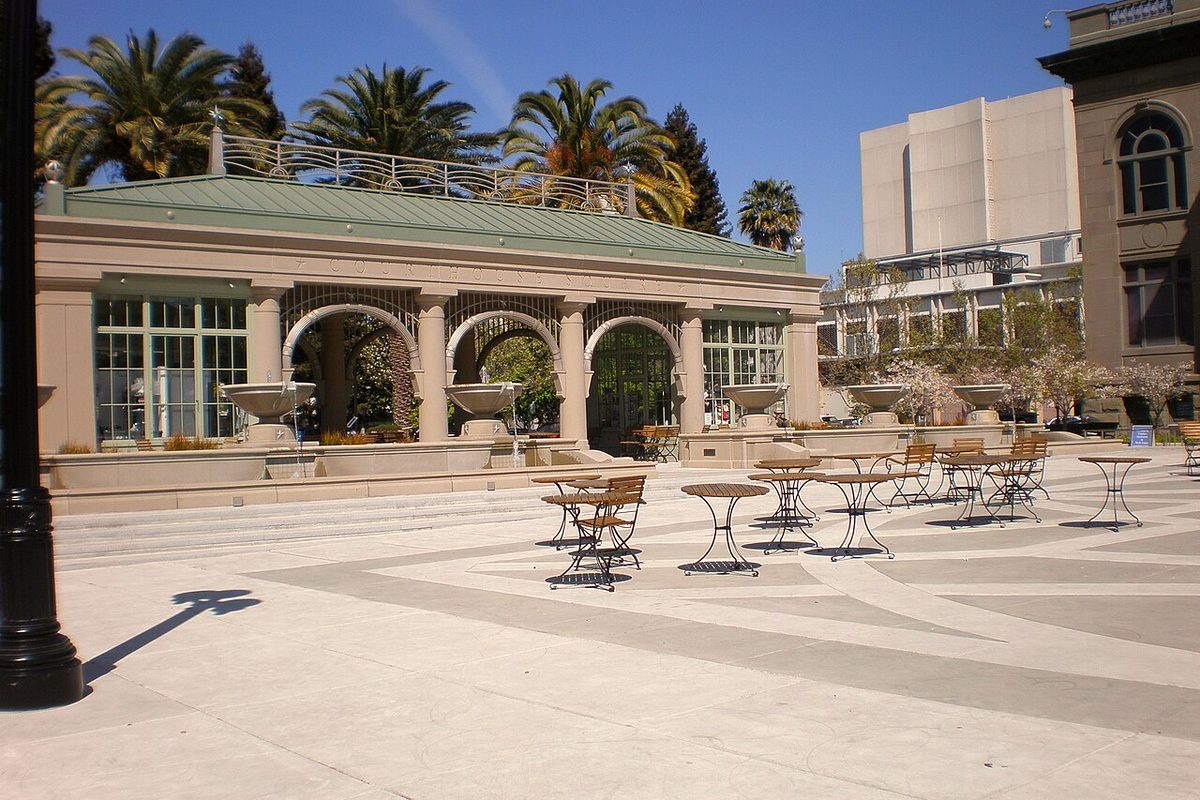
Courthouse Square in downtown Redwood City on a sunny day. Photo: BrokenSphere / Wikimedia Commons, CC BY-SA 3.0 (cropped, resized and color-graded). Archive photo of the area; not a photo of the events in this story.
Menlo Park voters in three districts will choose City Council members on Nov. 3, with Meta, Belle Haven and Measure P shaping the races. Incumbents Taylor (District 1) and Nash (District 4) are not running.
The races
District 1: Wonman Lee vs. James Rohr. Both want a Belle Haven grocery store and raised concerns about the $65 million Belle Haven campus. Meta has paused its Willow Village project.
District 2: Incumbent Drew Combs, a Meta compliance director who recuses himself on Meta items, faces Vamsi Velagapudi, who wants to negotiate a business license tax with Meta.
District 4: Charlotte Reed, who opposes Measure P, faces Laura Melahn, who has taken no position on it.
How to vote
A vote center is open Oct. 30–Nov. 3 at the Arrillaga Family Recreation Center, 700 Alma St. Election Day is Nov. 3.
The day's Bay Area housing, business and neighborhood news, plus the world headlines that matter, in one short email. Free, and you can unsubscribe anytime.
We use your email only to send the Brief. Details in our privacy policy.
Meta beat revenue forecasts and guided above estimates for the holiday quarter, while a $9.89 billion legal charge cut profit and its workforce shrank by 15%.
Seven candidates are running for three San Mateo City Council seats on Nov. 3. Incumbents Lisa Diaz Nash, Rob Newsom Jr. and Mayor Adam Loraine each face challengers in a race shaped by a $17 million budget gap, the Measure H sales tax and housing growth.
Robert E. Hall, 83, a Stanford economics professor and Hoover Institution senior fellow emeritus who lives in Menlo Park, shares the 2026 economics Nobel with Columbia's Michael Woodford for work behind the models central banks use to manage downturns and inflation.